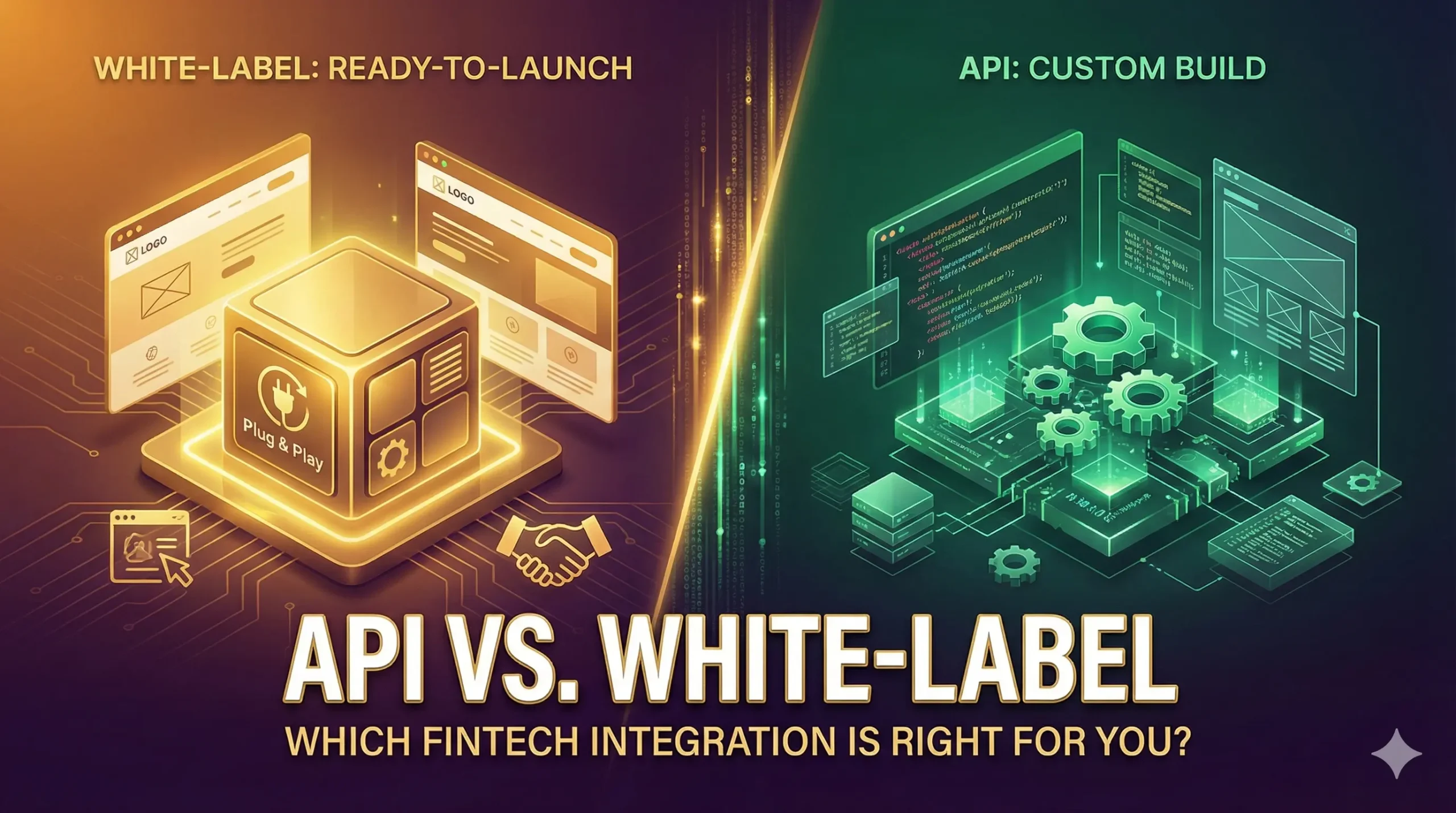
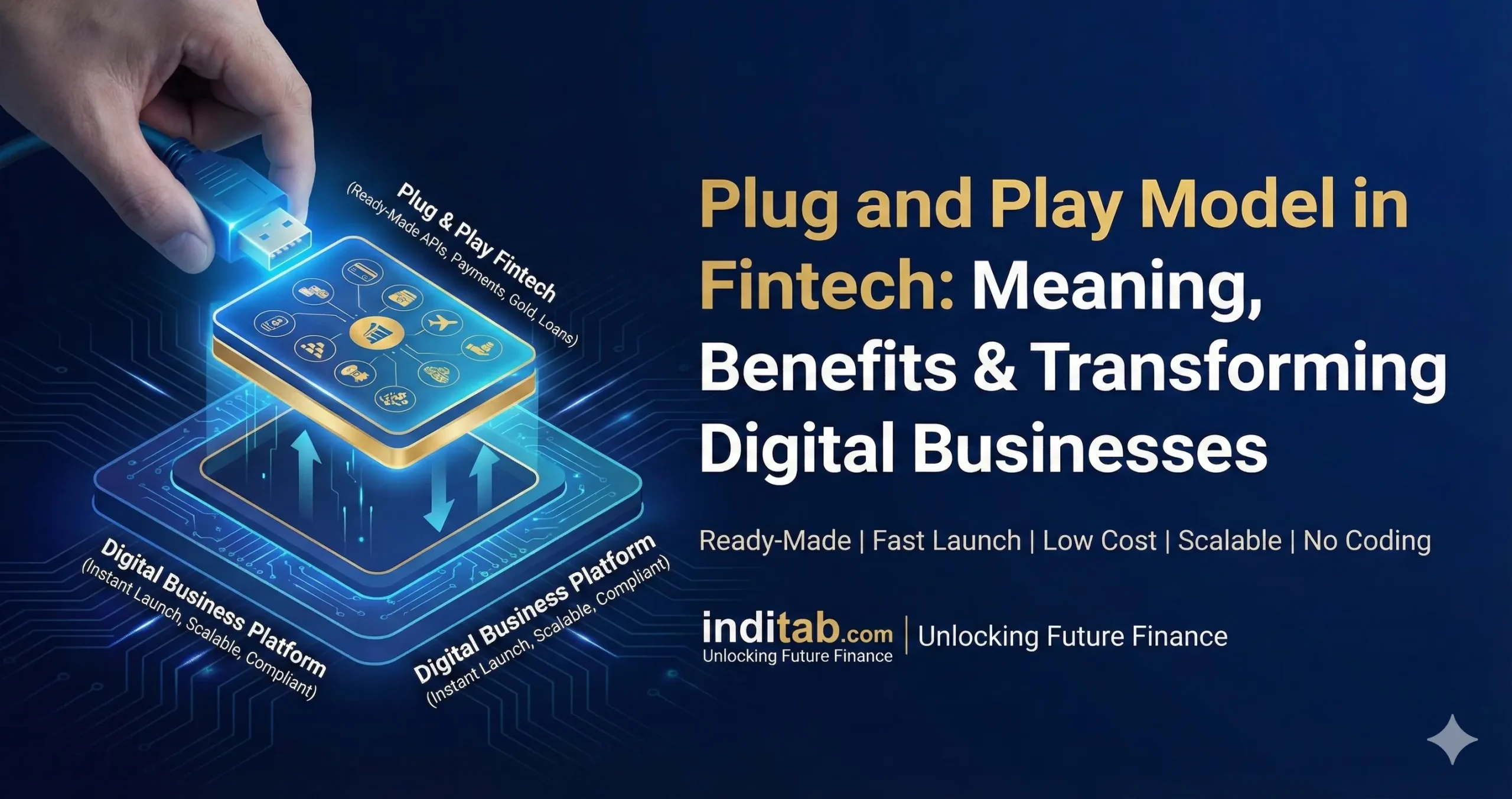
From recharge portals to payment systems, digital gold, loan journeys, and API services, the plug and play fintech model allows companies to launch new services instantly without building everything from scratch.
In this blog, we break down the plug and play meaning, benefits, use cases, and why it’s becoming the backbone of modern fintech platforms.
What Is Plug and Play?
A ready-made system that works instantly once connected — without the need for complex setup, coding, or development.
Originally used for computer hardware, today the concept is widely used in software and fintech platforms.
Plug and Play Meaning in Fintech
In fintech, plug and play meaning refers to: A pre-built fintech platform with all integrations, APIs, features, UI, backend, and compliance already ready — allowing businesses to launch instantly.
You don’t need:
❌ Developers
❌ Expensive tech teams
❌ Long development cycles
❌ API negotiations
❌ Compliance setups
Everything is pre-built. You simply plug it in and start operating.
What Is a Plug and Play Fintech Model?
The plug and play model in fintech works like this:
The provider (like Inditab) builds a complete fintech infrastructure.
Partners can instantly activate services such as:
Recharge & bill payments
Digital gold & silver
Travel bookings
DMT & AePS
Gift cards
PAN & utility services
Credit & loan journeys
Partners get a ready dashboard, admin panel, APIs, payout system, wallets & settlement modules.
The business goes live within 24–72 hours.
This helps entrepreneurs, fintech startups, and enterprises launch quickly without investing crores in development.
Why Plug and Play Fintech Solutions Are Gaining Popularity
1. Zero Development Cost
No need to hire developers or build a system from scratch.
2. Go Live Within Days
Instead of 6–12 months, your platform can launch within a few hours or days.
3. Fully Tested System
All bugs, load testing, UI improvements, and security layers are already validated.
4. 100% Scalable
The plug and play model grows as your customer base grows.
5. Compliance Is Handled
API licensing, KYC rules, settlement norms, and regulatory tasks are already managed.
6. Support & Maintenance Included
No need to run your own tech support team.
Popular Use Cases of Plug and Play in Fintech
1. Bill Payment & Recharge Portals (BBPS & APIs)
Businesses launch a recharge/bill payment platform instantly.
2. Digital Gold & Silver Platforms
Ready-made modules for buying, selling & storing digital gold.
3. Loan & Credit Application Journeys
AI-based journeys for:
Credit cards
Personal loans
Business loans
NBFC/Bank integrations
4. Whitelabel Travel Booking Platform
Flight & hotel booking modules with instant commissions.
5. DMT, AePS & Micro-ATM Setup
Designed for retailers, DSAs, and B2B fintech aggregators.
Benefits for New Entrepreneurs & Startups
Launch a fintech business without technical knowledge
Start earning from day one
Low investment, high returns
Build a brand instantly using a whitelabel setup
Scale to more services as you grow
The plug and play fintech model removes all barriers for entrepreneurs who want to enter the profitable fintech space.
Why Plug and Play Is the Future of Fintech
With India moving towards digital-first services, the demand for:
✔ Ready-made fintech infrastructure
✔ Instant API connectivity
✔ Faster GTM (Go-To-Market)
✔ Low-cost business setup
…is increasing rapidly.
The plug and play model ensures that businesses don’t lose time or money building tech, and instead focus on acquiring customers and growing revenue.
Final Thoughts
The plug and play fintech model is revolutionizing how companies launch fintech solutions. Whether you’re a startup, retailer, entrepreneur, or enterprise — adopting a plug and play approach helps you:
Launch faster
Reduce costs
Minimize risk
Scale easily
Offer multiple digital services under one platform
If you’re planning to enter the fintech industry, plug and play solutions are the smartest, fastest, and most cost-effective way to start.